Home | Treatments
The adenoid is a nasopharyngeal tonsil, situated at the back of the nose. It is composed of lymphoid tissues, which is a part of the body's immune system and helps to fight invading organisms.
Hypertrophy means the enlargement of an organ or tissue from the increase in size of its cells.Adenoid Hypertrophy means increase in size of the adenoid tissues.
Adenoid is present at birth and gradually increases in size, it is known to shrink once a child reaches adolescence.
In some children, adenoid enlargement occurs due to upper respiratory tract infection or recurrent allergy.
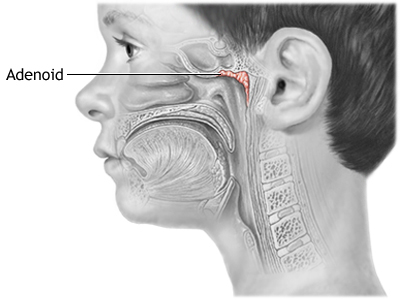
Children with enlarged adenoids often breathe through the mouth because the nose is blocked. Mouth breathing occurs mostly at night, but may be present during the day.
It may also be associated with fever, mouth breathing and snoring.
Chronic nasal obstruction and mouth breathing due to adenoid hypertrophy can bring changes in facial appearance of children called adenoid facies - elongated dull looking face, open mouth, crowded and prominent upper teeth.
Chronic nasal obstruction can also adversely affect the lung condition.
If enlarged adenoids are suspected, your doctor may ask about and then check your child's ears, nose, and throat, and feel the neck along the jaw
Patients presenting with the complaints mentioned above may have to undergo further assessments
Purpose: To assess the size of adenoids and to know whether adenoid is obstructing the nasal airway.
Enlarged adenoids with few or no symptoms - do not require treatment.
In acute adenoid infection, antibiotics or nasal spray will be prescribed as required.
If symptoms are found to interfere with daily activities such sleeping or feeding then surgical removal of adenoids - adenoidectomy will have to be carried out.