Welcome to ENT Specialist!

Tonsillitis

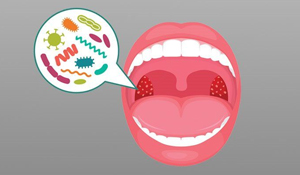
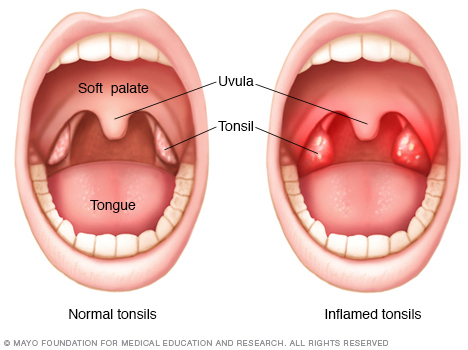
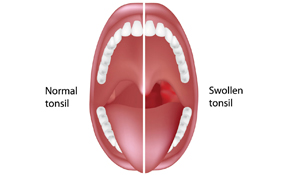
In the throat, two oval shaped pads of tissue called tonsils act as filters, trapping germs that could otherwise enter your airways and cause infection. They also produce antibodies to fight infection. Unfortunately, the tonsils themselves may become infected and overwhelmed by bacteria or viruses, they swell and become inflamed, a condition known as tonsillitis.

Tonsillitis is common, especially in children. The condition can occur occasionally or recur frequently.Tonsillitis is inflammation of the tonsils. Signs and symptoms of tonsillitis include swollen tonsils, sore throat, difficulty swallowing and tender lymph nodes on the sides of the neck.Most cases of tonsillitis are caused by infection with a common virus, but bacterial infections can also occur.

Because appropriate treatment for tonsillitis depends on the cause, it's important to get a prompt and accurate diagnosis. Surgery to remove tonsils, once a common procedure to treat tonsillitis, is usually performed only when bacterial tonsillitis occurs frequently and doesn't respond to other treatments or causes serious complications.
Symptoms of Tonsillitis

Here you can watch Dr. Sreenivasa Murthy T. M. explain symptoms and how you would know if your child may be having Tonsilitis.

Tonsillitis most commonly affects children between preschool ages and the mid-teenage years. Common signs and symptoms of tonsillitis include:

  • Red, swollen tonsils
  • White or yellow coating or patches on the tonsils
  • Sore throat
  • Difficult or painful swallowing
  • Fever
  • Enlarged, tender glands (lymph nodes) in the neck
  • A scratchy, muffled or throaty voice
  • Bad breath
  • Stomachache, particularly in younger children
  • Stiff neck
  • Headache

In young children who are unable to describe how they feel, signs of tonsillitis may include:

  • Drooling due to difficult or painful swallowing
  • Refusal to eat
  • Unusual fussiness

Why do tonsils get infected?

The tonsils are the immune system's first line of defense against bacteria and viruses that enter your mouth. This function may make the tonsils particularly vulnerable to infection and inflammation. However, the tonsil's immune system function declines after puberty - due to which the condition is rarely seen in adults.

Dr. Sreenivasa Murthy explains various complications arising from untreated Tonsilitis:

Inflammation or swelling of the tonsils from frequent or ongoing (chronic) tonsillitis can cause complications such as:

  • Difficulty breathing
  • Disrupted breathing during sleep (Obstructive sleep apnea)
  • Infection that spreads deep into surrounding tissue (Tonsillar cellulitis)
  • Infection that results in a collection of pus behind a tonsil (Peritonsillar abscess)

The germs that cause viral and bacterial tonsillitis are contagious. Therefore, the best prevention is to practice good hygiene. Teach your child to:

  • Wash his or her hands thoroughly and frequently, especially after using the toilet and before eating
  • Avoid sharing food, drinking glasses, water bottles or utensils
  • Replace his or her toothbrush after being diagnosed with tonsillitis

To help your child prevent the spread of a bacterial or viral infection to others:

  • Keep your child at home when he or she is ill
  • Ask your doctor when it's all right for your child to return to school
  • Teach your child to cough or sneeze into a tissue or, when necessary, into his or her elbow
  • Teach your child to wash his or her hands after sneezing or coughing

When to see a doctor

How long would a single episode of Tonsilitis last?

It's important to get an accurate diagnosis if your child has symptoms that may indicate tonsillitis.

If your child is experiencing any of the following, take an appointment:

  • A sore throat that doesn't go away within 24 to 48 hours
  • Painful or difficult swallowing
  • Extreme weakness, fatigue or fussiness

Get immediate care if your child has any of these symptoms:

  • Difficulty breathing
  • Extreme difficulty swallowing
  • Drooling

Risk factors for tonsillitis include:

  • Young age: Tonsillitis most often occurs in children, but rarely in those younger than age 2. Tonsillitis caused by bacteria is most common in children ages 5 to 15, while viral tonsillitis is more common in younger children.
  • Frequent exposure to germs: School-age children are in close contact with their friends and frequently exposed to viruses or bacteria that can cause tonsillitis.